San Cristóbal Adventure in Luxury
- Tour
- Duration
- 4 Days
From $2,960
The Galápagos Islands offer diverse and unique experiences no matter what time of year you visit but deciding when to go is still a crucial part of your trip planning, not necessarily for the best weather, but for the best chance to see the wildlife that interests you.
As the remote archipelago sits on the equator, temperatures don’t vary much throughout the year. Put simply, there are two seasons: wet and dry. During the rainy season (December to May), temperatures are slightly warmer, whereas June to November sees cooler dry weather and can result in choppy conditions at sea.
This month-by-month guide will explain exactly what to expect in the Galápagos Islands, from sea turtle mating season to frequent whale shark sightings.

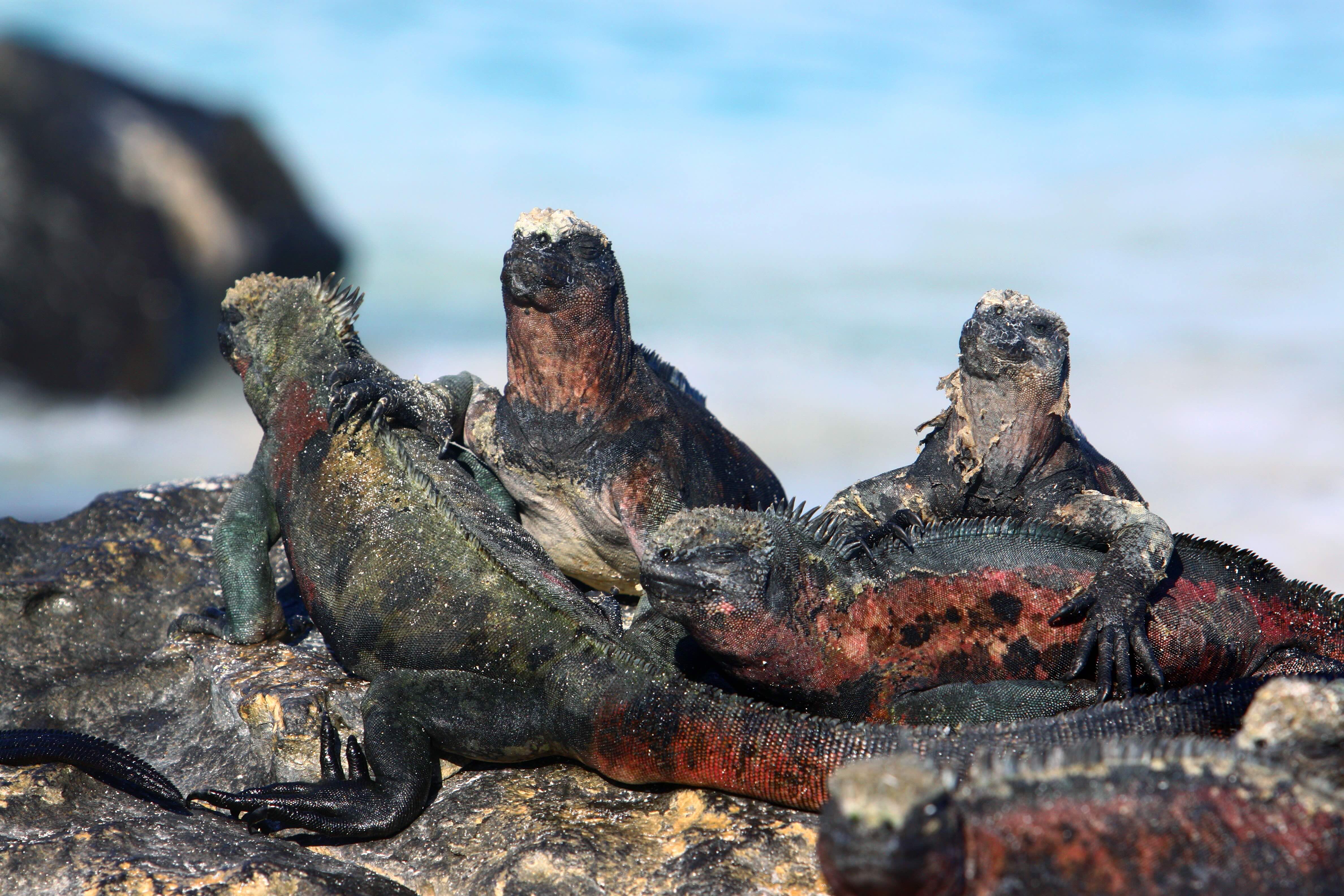
In the Galápagos Islands in December, the weather is warmer and the busy season is back in full swing. The islands are once again covered in lush green and the waters are warm with playful sea lion pups still around. December also kicks off the start of hatching season for giant tortoises and mating season for marine iguanas. Over at Española, the first young waved albatrosses start to fly which makes for a fascinating sight.
Weather: The start of the rainy season: the sun is shining bright in December with occasional spells of rain. Water temperatures rise.

Traveling to the Galápagos Islands in January is peak tourist season, but don’t let this put you off. With the chance to witness green sea turtles laying their eggs, giant tortoise eggs hatching in front of you and the unique courtship rituals of various land birds, there is plenty of wildlife to get excited about. Not to mention, January marks mating season for iguanas where they undergo striking colour changes to attract a partner.
Weather: Expect generally sunny warm days with short bursts of rain.

February on the Galápagos Islands is best known for its calm waters, making it a great time to go snorkelling and diving with turtles. On Floreana island, flamingos flock in great numbers as they begin their nesting season. Many other land birds, turtles and tortoises begin breeding and nesting in February all the way through to April.
Weather: Lots of sunshine, little wind and water as warm as it gets at a balmy 24°C/75 fahrenheit.

North Seymour sees an influx of birds as hundreds of the unusual-looking frigatebirds come together to start their courtship. They make a huge racket and puff out their red balloon-like chests in a mesmerizing display. Meanwhile, marine iguanas are nesting, giant tortoises are breeding and waved albatrosses are returning to Espanola island.
Weather: March marks peak rainy season, so daily showers are normal along with a hot and humid atmosphere.

April in the Galápagos Islands springs new life. Giant tortoises may still be hatching, green turtle eggs are starting to crack and land iguanas are coming out of their shells. Blue-footed boobies begin pairing up by performing their impressive mating dances, as are the waved albatrosses, of which no two dances are the same. The Galápagos Islands are vibrant and the sea is perfect for snorkeling.
Weather: Nearing the end of the rainy season, the skies are clear, the air is warm and the vegetation is green.

May is a time for calm waters, swimming with sea turtles and hanging out on the beach. The blue-footed boobies are still dancing for each other’s affection well into June and most of the baby marine iguanas have hatched on Santa Cruz. Over on Bartolomé island, the much-loved Galápagos penguins are highly active hunting for fish.
Weather: May is the transitioning month between wet and dry seasons with high temperatures and clear skies. The sea starts to cool.

June brings an abundance of marine life due to nutrient-rich currents flowing in. From whale sharks and humpbacks to penguins and dolphins, June may not be as sunny but will be full of exciting animal sightings. On land, Santa Cruz sees giant tortoises migrating from the highlands to the lowlands to mate and nest.
Weather: Start of the cool “Garúa” season. Cooler temps, stronger currents, better visibility. Expect overcast days as sea mist covers the highlands, cool winds blow in and the air feels fresh and dry.
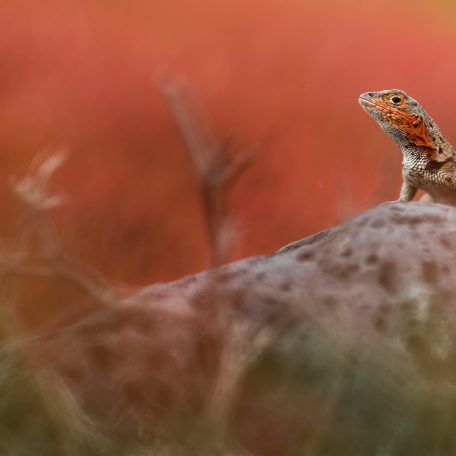
July is a bird-lover’s paradise as many species are in mating season, including the blue-footed boobies, greater flamingos, and short-eared owls. On Ferdinanda, flightless cormorants perform their mating rituals, along with the small but mighty lava lizards. The underwater world is still teeming with life, making for great snorkeling and plenty of dolphin sightings.
Weather: Dry and mild days with no sunshine. Waters are cold due to Humboldt Current, around 20°C/70 Fahrenheit.

August is an exciting time on the Galápagos Islands as baby sea lions are being born. These playful pups can be seen across many of the islands and are truly adorable. Giant tortoises are on the move back to the highlands, having laid their eggs, and Galápagos hawks are starting their courtship. Despite the windy weather, it is a popular time to visit due to school holidays.
Weather: Dry and cool, with an average high of 26°C/78F. Stronger winds can result in choppier waters.

September is a quieter time for human activity, but a very noisy time for animal activity. Males sea lions cause a big commotion as they fight over territory, and penguins are at their most active as they court their lifelong partners. Migratory whales, such as minkes, humpbacks and blue whales are most commonly seen in these cooler months.
Weather: Temperatures are cool and the climate is dry. Rougher seas.

The Galápagos Islands in October marks mating season for sea lions and fur seals. This means that there is a lot of activity - and barking - on the coasts. Curious sea lion pups may even swim around you while snorkeling. Meanwhile, blue-footed boobies are raising their chicks.
Weather: Warmer weather is coming in as the dry season comes to an end.

The Galápagos Islands in November sees a hub of activity for seabirds. Brown noddies are breeding and band-rumped petrels are nesting. There are also plenty of young sea lions doing impressive acrobatics in the water and playing curiously around swimmers. November also sees the Galápagos green turtle breeding cycle begin again, with pairs starting to mate.
Weather: November brings sunshine with some showers and rising water temperatures.
From $2,960
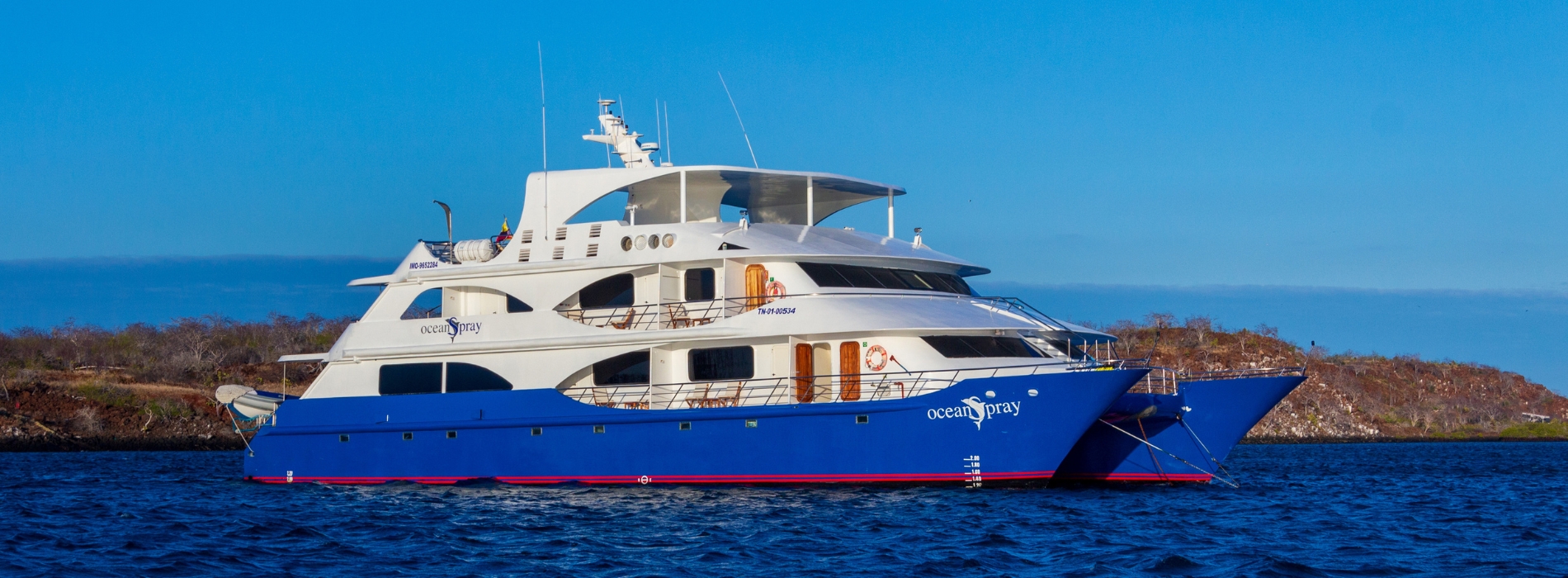
Step aboard the Ocean Spray catamaran for the perfect 6 day itinerary cruising around the Galápagos Islands.
From $7,990

Step aboard the Grand Majestic yacht for the perfect 8 day itinerary cruising around the Galápagos Islands.
From $7,045