
Western Wildlife Discovery in Luxury
- Cruise
- Luxury
Step aboard the Elite catamaran for the perfect 8 day itinerary cruising around the Galápagos Islands
- Duration
- 8 Days
- Ship
- Elite Catamaran
- Capacity
- 16 guests
From $9,990

Delve into our Ultimate Guide to the Undiscovered Islands — written by experts you will learn the history, about the Islands and how to plan an adventure there.
Welcome to your guide to the Galápagos Islands.
Perhaps you've never heard of them before, or maybe you've just booked one of our trips! No matter who you are, this guide is for you. Including the history, geography, practical info and even our top reads, we've got you covered.
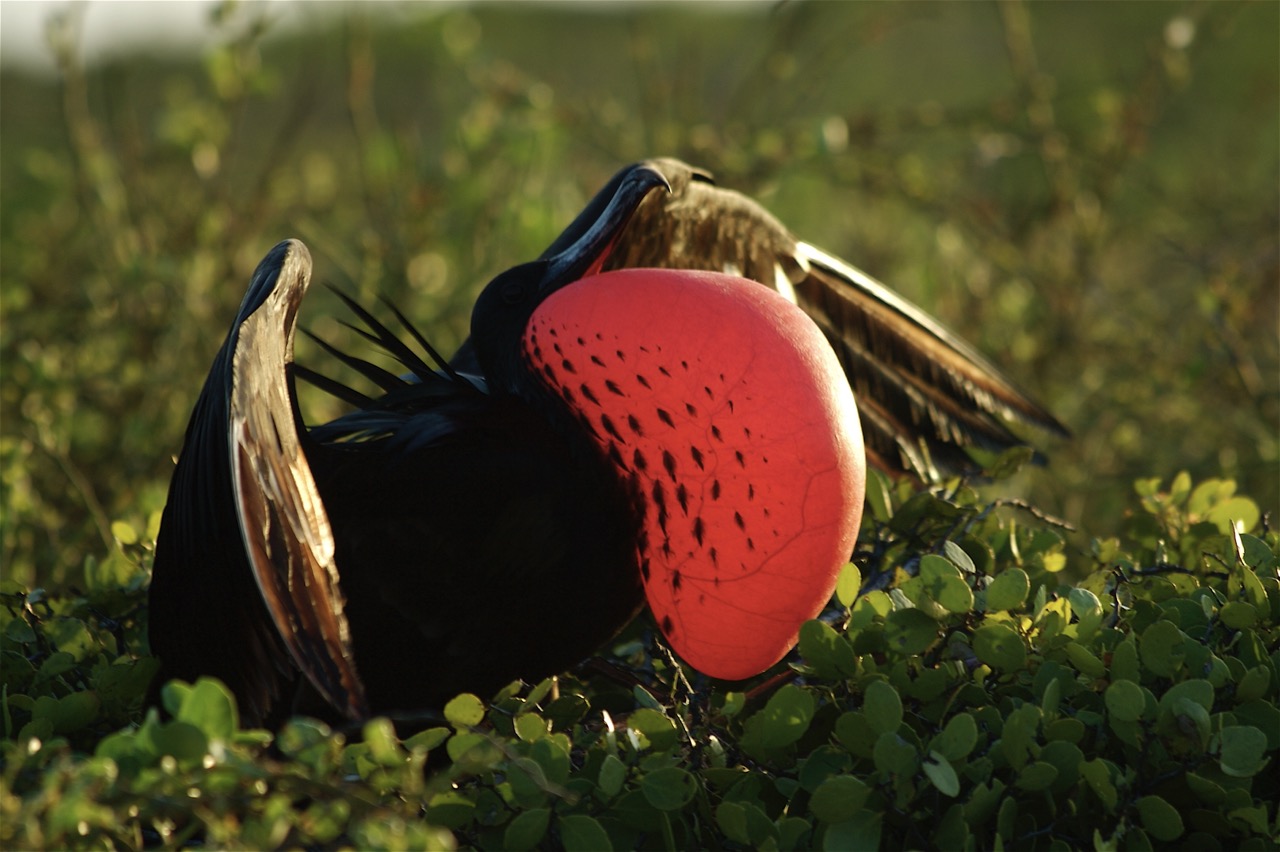
The Galápagos Islands are found in the Pacific Ocean, sitting directly on the equatorial line to the west of Ecuador. Due to the isolated location, this South American archipelago has a completely unique ecosystem and is home to many endemic species, meaning they are not found anywhere else in the world.


The Galápagos Islands have captivated both explorers and scientists for many years. The archipelago was first discovered by Spanish bishop Fray Tomás de Berlanga in 1535 and was the first contact with humans. The first inhabitants on the islands included pirates and whalers who began shaping the islands’ human history through survival and adaptation.
In 1832, Ecuador’s first president, Colonel Ignacio Hernandez, claimed the islands as Ecuadorian territory. Charles Darwin visited the islands in 1835 and took observations of the unique wildlife not seen anywhere else in the world. This visit provided critical evidence for his groundbreaking theory of evolution by natural selection, and led to his book On the Origin of Species.
Conservation began in the 1950s when Ecuador made the islands a National Park and, 20 years later, UNESCO declared the Galápagos Islands the first World Natural Heritage Site. This recognition of the islands’ unique ecosystems and scientific significance has preserved the islands as a symbol of natural wonder and will protect them for years to come.
Early explorers named the islands after the Spanish word 'galapago' which means 'tortoise', reflecting the islands' most famous inhabitants; the giant tortoises.
The archipelago is made up of 18 islands but only four of them are inhabited and each offers their own atmosphere, nature and wildlife:
The Galápagos Islands has 14 other islands many of which can be visited with a tour by boat. However, some of the islands are strictly off limits for conservation purposes.

One way to travel the Galápagos Islands is by Cruise. Choose from catamarans, yachts, and cruises. We've experienced them all and outlined the differences to help you find the perfect ship for your adventure.
Step aboard the Elite catamaran for the perfect 8 day itinerary cruising around the Galápagos Islands
From $9,990

Step aboard the Integrity yacht for the perfect 8 day itinerary cruising around the Galápagos Islands.
From $8,695
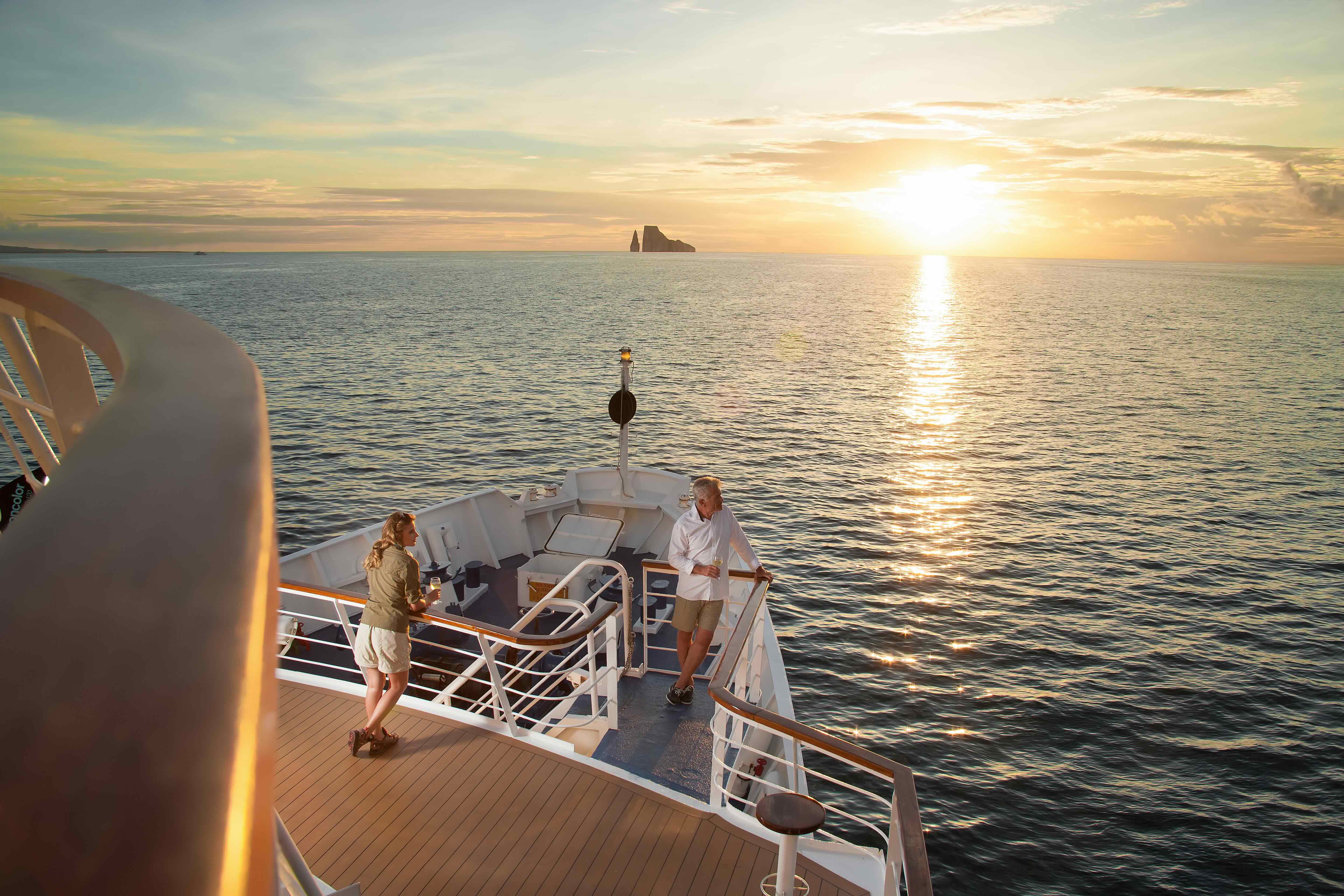
Step aboard the La Pinta yacht for the perfect 5 day itinerary cruising around the Galápagos Islands.
From $5,987

Alternatively, if you are looking for a slower pace, want to experience local life, then staying on one of the Islands is a great option.
Stay in locally owned lodges and boutique hotels on islands like Santa Cruz, San Cristóbal and Isabela. Enjoy the freedom to explore a different side of the Galápagos: wandering white-sand beaches at sunset, sampling fresh seafood in island towns, and heading out each day on guided excursions by boat, kayak, bike or foot.
We've selected a range of land-based and island hopping experiences to suit any preference.

From $6,600
From $2,900
One of the most influential books of its time, The Origin of Species explores Charles Darwin’s concept of evolution by natural selection and how the Galápagos Islands inspired his remarkable theory.
My family and the Galápagos follows Monty Halls, explorer and marine biologist, and his family when they decide to move to Santa Cruz island in 2017. From the instant enchantment of the islands to adapting to the way of life on the Galápagos, this book is a fun, warm and an inspiring read.
This vivid book by Conservation Ambassador Henry Nicholls tells the story of the Galápagos Islands' natural history evolution. From its volcanic origins through to the first human contact, this is a great read for any Galápagos traveler.
If you prefer photography, this coffee table book offers an expansive collection taken by Jonathan Green over a 14 year period. With introductory chapters on the archipelago, this book is both educational and stunning.